[WARNING: CONTAINS LIGHT SPOILERS]
This was my favorite game of 2023 by a devastating landslide. It’s a rare but great pleasure in life you stumble onto a piece of art that feels like it was made precisely for you and maybe no one else - Fading Afternoon is one of those for me. Every design choice in this game makes me happy. This is a game for people who get mad when there’s a chair in an RPG but you’re not allowed to sit in it. The immersive, inviting narrative does more with a few pixels than entire $200 million dollar AAA blockbusters do with nearly-infinite resources. In some lights this game can be obtuse, simple, and oppressive - but look closer and anything that seems frustrating at first is actually a strength. Everything this game does right is everything the gaming industry needs more of.
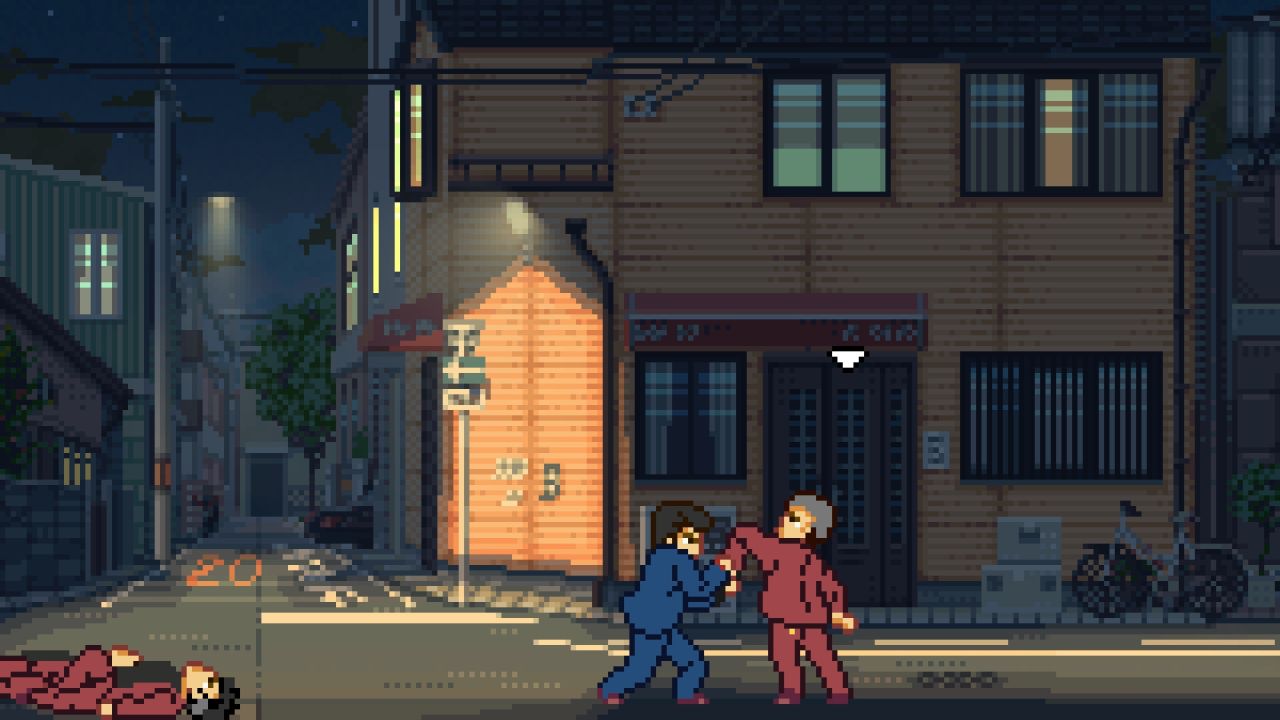
Fading Afternoon puts you in the shoes of an aging yakuza enforcer who just got out of prison. He immediately returns to work for the outfit that he went away for, ready to get right back into the only bleak rhythm he’s familiar with. In the same vein as developer Yeo’s past games (The Friends of Ringo Ishikawa is another all-time favorite of mine), it’s very much an evolution of the gameplay you see in NES-era classic brawler River City Ransom and its sequels. Grafted on top of this beat-em-up, however, is layer after layer of tantalizing role-playing mechanics (in the actual “role-playing” sense) and functionally-useless features meant only to enhance the mood. To begin with, like in Ringo, you have a dedicated face button for smoking cigarettes. If you press up against a balcony, you might lean your arms over it in a bespoke animation - ignorant NPC’s down below will walk on by, lost in their own business. You can shave in the morning or just let your beard grow out instead. You can squat down on the ground, knees out, arms hanging down, soaking in the ennui of another passing day… just because it feels like the right thing to do in the moment. You might even be inclined to take your hands off the controller and idly rest in that squatting animation for minutes at a time, not pressing a button, just living in the moment as if you yourself are protagonist Seiji Maruyama taking a break to moodily contemplating the trajectory of your life. These details might feel needless or cosmetic but in reality they offer a deep window into the character you’re controlling - you’re meant to connect to him and understand him on a truly deep level, and the core gameplay mechanics further emphasize this in brilliant ways. This game is very, very successful at what it sets out to do - and it wants to do something other games rarely put much real attention towards. There’s a level of focus here that usually gets lost in favor of chasing other features or gameplay loops - Fading Afternoon knows what to throw away and what to put in the spotlight. It knows smoking a cigarette is worth an entire face button on the controller (especially noteworthy when the combat controls, in contrast, are so complex and often require strange and cumbersome combinations of button-presses.)
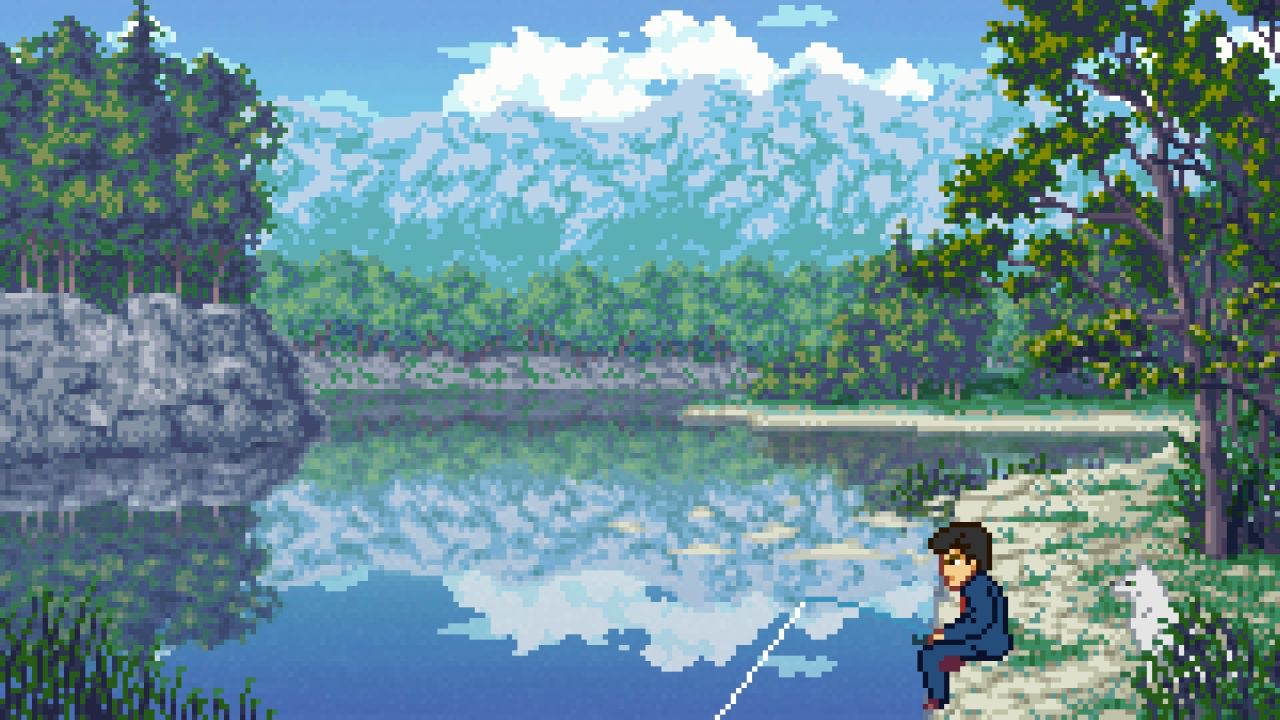
Maybe the hallmark feature of the game is your limited health bar. The bar extends all the way to “999”, your presumed max HP, and yet half of the bar is grayed out and you can never recover it health past 500 or so. The game will simply not allow you to heal up to 100%. Ever. Maybe if this story had started earlier, when Maruyama was younger, but no… this choice of withholding your max health immediately communicates your age, your fading vitality, everything you’ve already lost. You gave years of your life in service to the yakuza, gave even more in prison, and it has taken a deep toll on you in the form of Less HP. You can’t sprint like the high school protagonist in Ringo Ishikawa, but your punches hit hard and you know your way around a gun. The gunplay - as a counterpoint to the health bar - offers an actually-empowering mechanic and communicates something else about your character: you’re a competent killer. This is what you’re good at: fighting and shooting. This is what the game asks you to continue doing.
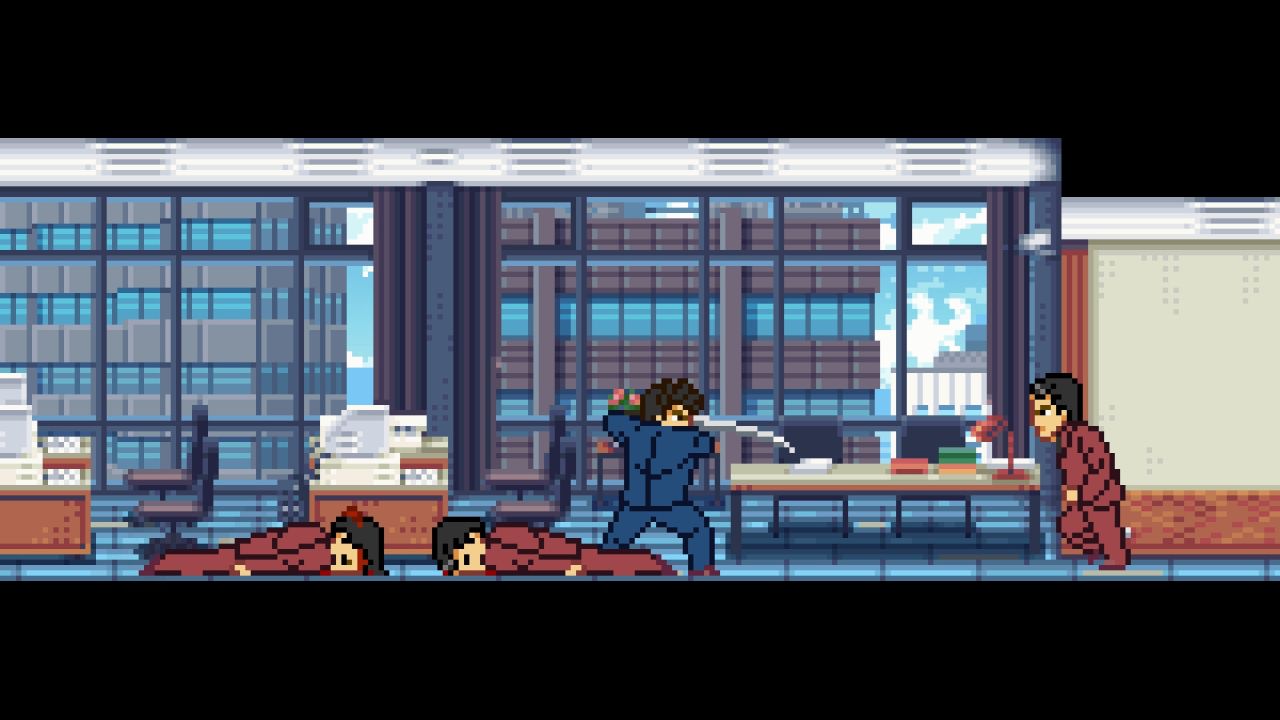
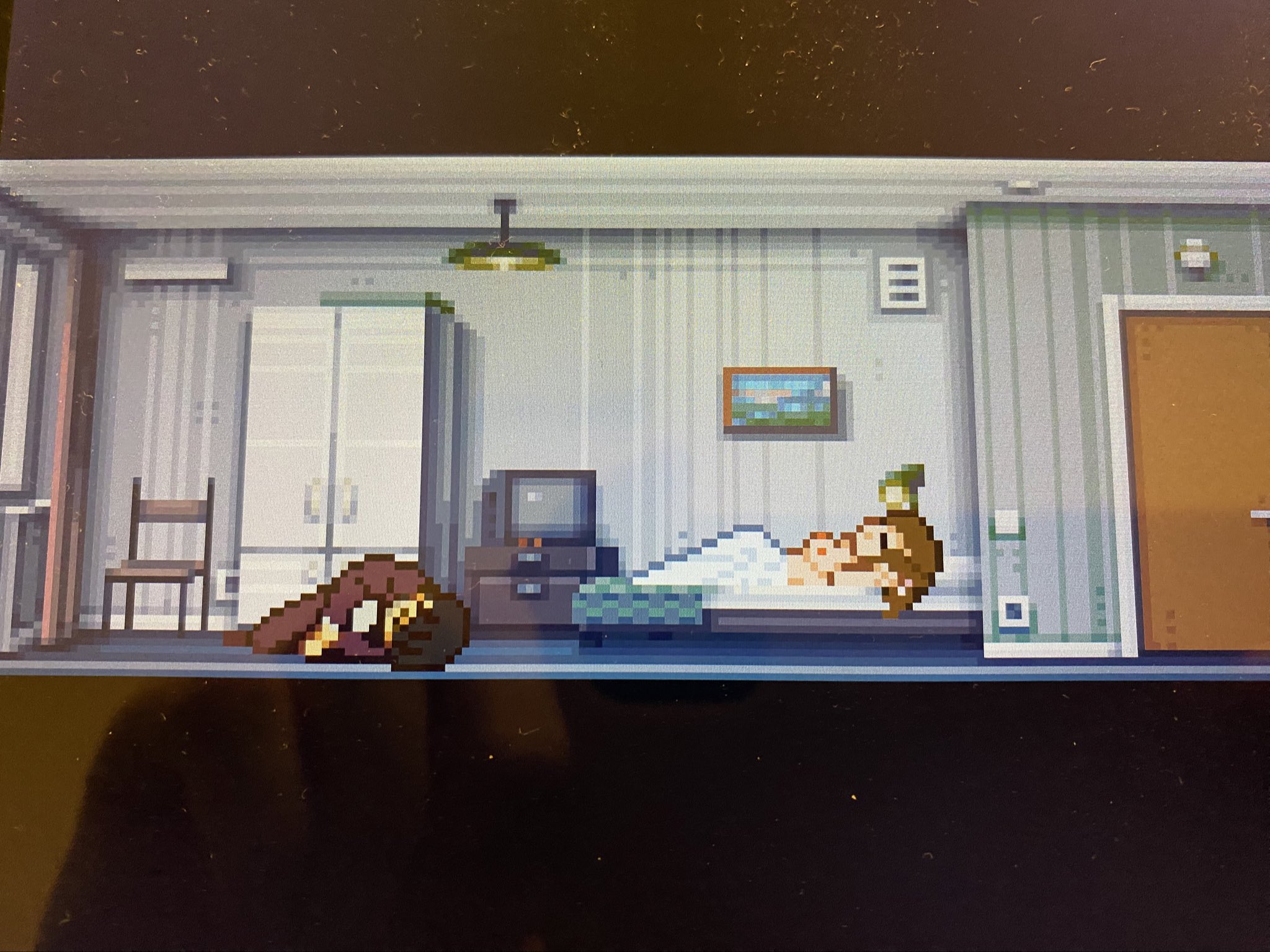
You’ll wander around town from area to area fighting opposing gang members for territory, and this is where the next big mechanic comes in: the Persona-esque daily time-management. You can only do so many things each day, only explore so many areas, get into so many fights, talk to so many people… and then you need to sleep. Soon you’ll notice that each morning you awake with less health. You used to be able to hit 500 HP, but now you’re capped out at 400. Soon 300. Soon even less. You’re dying, slowly. You might not be able to accomplish everything you’d hoped before the clock runs out. You wake up at the hospital and the nurse is worried about you. You can’t afford to stay at your hotel any longer so you start sleeping out of your car instead. You can’t shave right now - that was a hotel luxury - and you’re starting to look a little rough around the edges. People notice - your “Respect” stat goes down one point at a time. You wake up at the hospital again - the nurse admits she’s fallen for you, but is it out of pity? You kiss. You accept a hit from your boss and he sends out a younger up-and-comer to go with you, to make sure it’s done right. When you get to control this younger guy, he moves differently: he can dash, for one thing, and his health bar isn’t cut in half like yours. You’re being shown up. You’re realizing you’re not needed. You’re still dying. You start losing territory. You realize you can’t keep up so you start hitting up the game’s various minigame offerings like the batting cages or the casino. You try your luck the love cafe and, miraculously, you take a girl home with you. You wake up in an unfamiliar bed with a naked stranger. You keel over and cough up blood. You die. Credits roll.
Perfect video game.